
Top Signs Your Home Needs a Better Drainage System
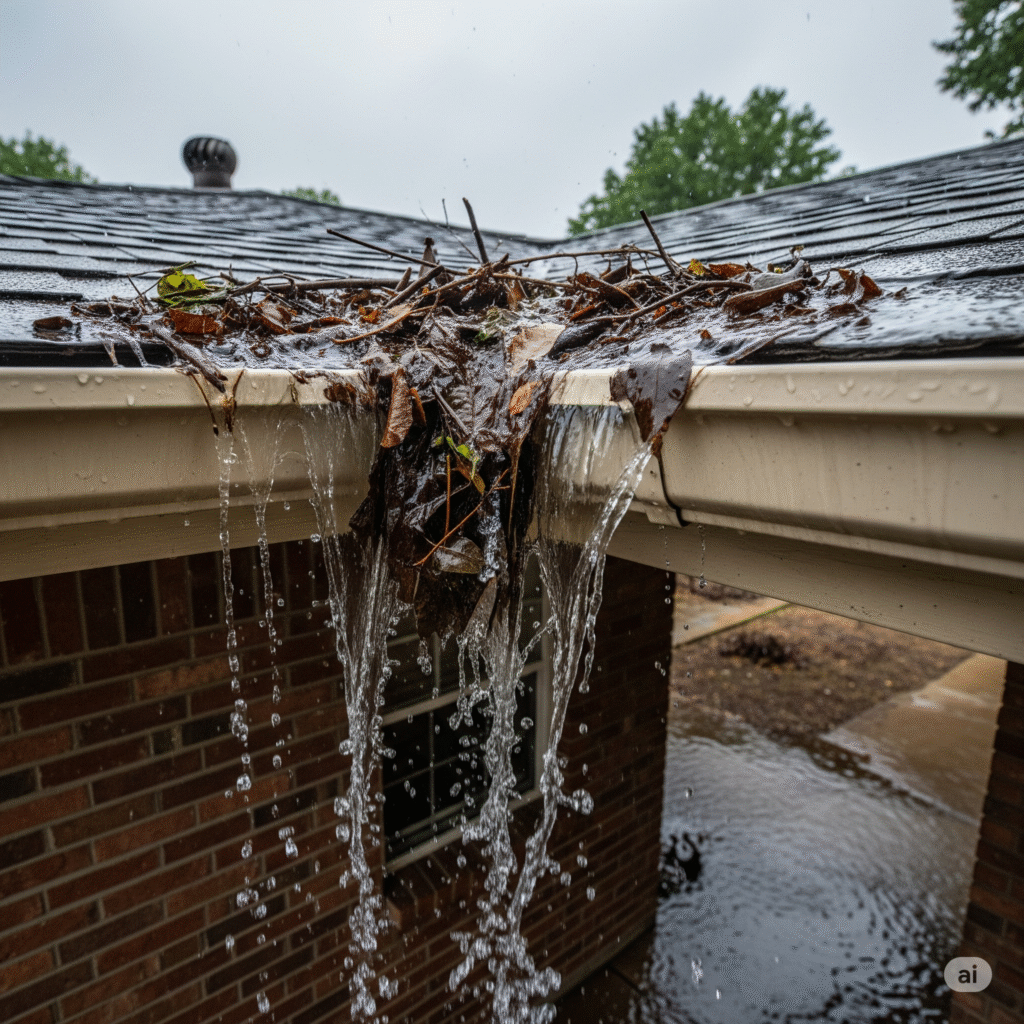
Do you see signs of poor drainage around your house, such as clogged gutters, pooling water, or foundation cracks? This brief guide explains how poor drainage can lead to foundation problems and offers practical solutions, such as extending downspouts or installing a French drain.
Identifying poor drainage early helps protect your foundation and prevent costly damage.
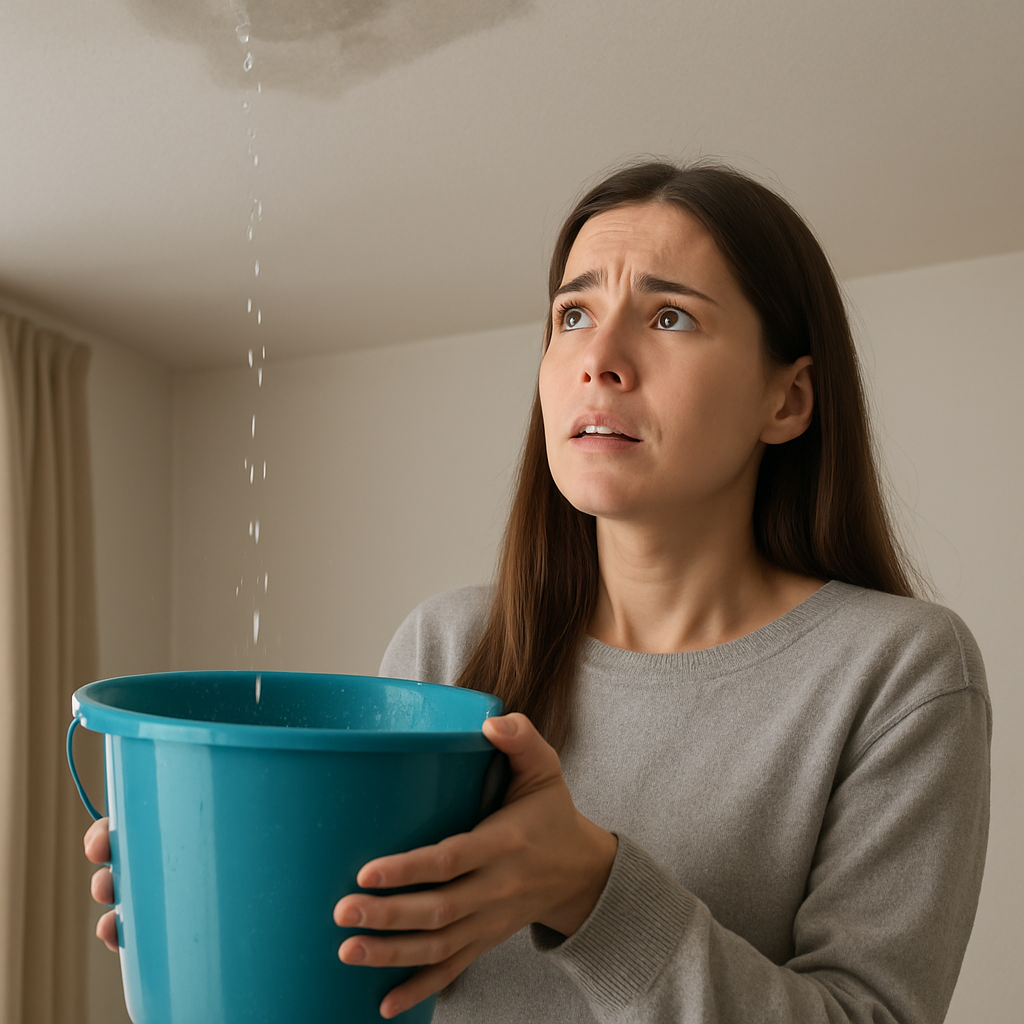
Recognizing the signs of poor drainage around house structures is critical to protecting your home’s foundation. Your drainage system does more than redirect rainwater — it prevents foundation cracks, water damage, mold growth, and costly repairs tied to long-term drainage problems.
At Appalachian Foundation Services, we understand how poor drainage can quietly cause significant foundation problems, especially when clogged gutters, standing water, or soggy crawl spaces are left unaddressed.
This article will guide you through the warning signs and explore long-term solutions, such as installing a French drain, extending downspouts, or improving your property’s grading, to ensure your home stays protected.
What are the signs of poor drainage problems around a house?
Identifying drainage problems early is essential to maintaining proper drainage and protecting your home’s foundation. When left untreated, these issues can quickly escalate into costly foundation problems.
Watch for these key warning signs:
- Water stains on foundation walls or the basement floor
- Small cracks forming in concrete, brick, or walls
- Excess water pooling during or after heavy rain
- Clogged gutters or overflowing downspouts
- Musty smells and damp air in basements or crawl spaces
- Bare patches or too much topsoil collecting around your foundation
- Standing water turns parts of your yard into a swampy mess
- Decomposing organic matter causes soft, spongy soil
Addressing these symptoms promptly—using solutions like hydraulic cement for sealing cracks or installing a French drain—can help restore proper drainage and protect your property in the long term.
How do I know if I need a new drainage system?
If your current system can’t keep water away from your foundation, yard, or crawl space—even after minor repairs—you likely need a new drainage system. Poor drainage often gets worse over time, leading to foundation damage, mold growth, and costly repairs. A complete drainage plan, including a French drain, sump pump, and downspout extensions, may be required.
Are wet spots in the lawn a sign of drainage issues?
Yes — and they’re one of the most telltale signs homeowners overlook. When wet patches linger after rainfall, it means water isn’t draining correctly, often due to improper grading, compacted soil, or blocked runoff paths. These subtle signs can lead to bare soil exposure, organic matter decay, or even the formation of mineral deposits left behind by excess moisture.
Over time, standing water creates a swampy mess and may begin seeping toward your home’s foundation, triggering costly foundation repairs. Overflowing gutters can exacerbate the issue by directing excessive water to concentrated areas. Whether it’s excess water, subtle soil shifts, or bare patches forming, don’t wait until minor signs turn into significant damage.
Can poor drainage cause foundation damage?
Yes, poor drainage is one of the leading causes of foundation damage. When water accumulates at the base of your home, hydrostatic pressure builds against your foundation walls, leading to cracks, basement leaks, and even structural failure. Foundation issues caused by inadequate drainage require immediate attention to avoid further damage.
Why does my crawl space feel wet or musty?
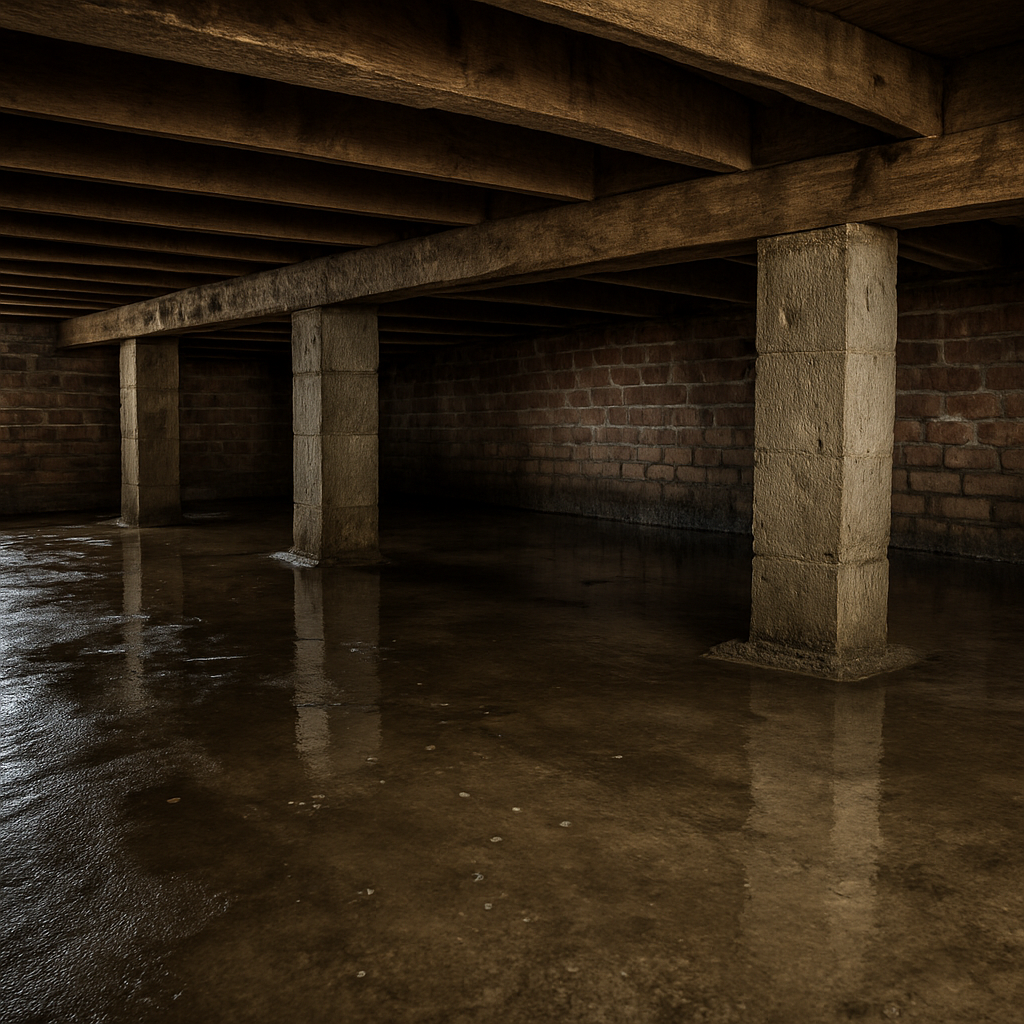
A damp, musty crawl space is one of the most evident signs your home is struggling with improper drainage. When water from heavy rains isn’t redirected effectively, it seeps beneath your home, trapping excess moisture.
This moisture build-up fosters mold growth, damages wood and insulation, and attracts pests. Without proper drainage, the conditions beneath your home can rapidly deteriorate, putting the structural integrity of your foundation at risk.
Addressing the issue early with solutions like sump pumps, French drains, and improved grading can prevent long-term problems and protect your home from costly repairs.
What should I do if water isn’t draining properly in my yard?
The first step is to identify the source of the problem, which can be improper grading, compacted soil, or blocked catch basins. Then consider installing drainage catch basins, rain gardens, or a gravel-filled trench with perforated pipe. For a more comprehensive solution, consulting a professional for a complete drainage plan may be the best option.
How much does it cost to fix drainage around a house?
Costs vary depending on the property’s size, the extent of the drainage issues, and the solutions required. A basic fix, such as extending downspouts or adding a French drain, might cost a few hundred dollars. At the same time, larger projects, such as excavation, sump pump installation, or concrete slab work, can cost several thousand dollars. Appalachian Foundation Services offers transparent pricing and customized solutions to fit your budget.
What DIY solutions are available for minor drainage issues?
For homeowners dealing with minor drainage issues, several effective DIY solutions are available. Installing downspout extensions to direct water away from the house, creating a small rain garden, or using filter fabric and gravel to improve absorption are affordable and effective strategies. However, improper installation of these systems can lead to more costly repairs in the long run.
How does improper grading affect water flow?
Improper grading is a common cause of drainage issues. When your lawn slopes toward your home instead of away, it encourages water to flow toward the foundation, increasing the risk of water seepage and basement flooding. Adjusting the slope using soil and regrading your landscape can help redirect water flow away from your home.
What role do leader pipes and catch basins play in a drainage system?
Leader pipes and catch basins are essential for collecting and redirecting rainwater from your roof and paved surfaces. When these systems are clogged or missing, water builds up around your home, contributing to structural damage, mold growth, and swampy yards. Ensuring they are clear and functioning properly supports your overall drainage plan.
What do customers say about Appalachian Foundation Services and signs of poor drainage around the house?
At Appalachian Foundation Services, we pride ourselves not only on solving drainage problems but also on earning the trust of homeowners across the region. Here’s what a few of our clients have said:
“We noticed signs of poor drainage around our house and weren’t sure what to do. Appalachian Foundation Services quickly diagnosed the issue, installed a French drain, and even fixed our clogged gutters. We haven’t had standing water or musty smells since.” – The Harris Family.
“After seeing foundation cracks and constant basement leaks, I called Appalachian. They explained how poor drainage was causing the damage and laid out a plan that included extending downspouts and regrading the yard. They truly saved our home’s foundation.” – Megan D.
“We had no idea what was behind the soggy lawn and water pooling near our crawl space. Appalachian Foundation Services explained everything, installed a new sump pump, and gave us peace of mind. Recommend their team if you’re seeing signs of poor drainage around house structures.” – Brian T.
Ready to Protect Your Home from Drainage Damage?
Poor drainage is more than a minor inconvenience — it can silently compromise your home’s structural integrity, cause dangerous mold growth, and lead to expensive foundation repairs. Early detection is key, and acting fast can save you thousands in future damage.
At Appalachian Foundation Services, we provide expert solutions tailored to your property’s unique needs, including sump pump installations, French drains, and strategic grading fixes. Our team takes pride in delivering long-lasting results and peace of mind. Let us help you take action today and prevent further damage caused by the signs of poor drainage around house structures.