
Crawlspace Repair Lynchburg VA
Crawlspace Repair
Crawlspace repair in Lynchburg, VA, helps protect homes from structural damage, moisture problems, wood rot, mold risk, and sagging floors. Because the crawl space sits directly beneath the living area, problems below the home can affect the way the entire house feels and performs. Soft floors, musty odors, damaged insulation, high humidity, and visible wood rot are all signs that the crawl space may need more than a quick cleanup.
Appalachian Foundation Services provides crawlspace repair for homeowners in Lynchburg and surrounding Central Virginia communities. Our team inspects the crawl space, identifies the source of the damage, and recommends practical repair options for structural support, moisture control, drainage, vapor barriers, insulation, and related foundation concerns.

Schedule Inspection
Crawlspace Repair
Professional Crawlspace Repair in Lynchburg, VA
A crawl space problem usually starts small. A little moisture collects after heavy rain. Insulation begins to sag. The air inside the home smells damp. A floor starts to feel soft near a doorway or hallway. Over time, those small warning signs can turn into damaged floor joists, weakened beams, mold growth, pest activity, and ongoing humidity problems inside the home.
Professional crawlspace repair is not just about covering the ground with a liner or making the space look cleaner. A proper repair starts with understanding what caused the problem. In some homes, the issue is poor drainage around the foundation. In others, it may be groundwater, open vents, plumbing leaks, inadequate vapor protection, or framing exposed to moisture for too long.
Appalachian Foundation Services evaluates the entire crawl space environment so the repair addresses both the visible damage and the conditions that allowed it to occur.
APPALACHIAN FOUNDATION SERVICES
Warning Signs Your Crawl Space Needs Repair
Many homeowners do not enter their crawl space often, so the first signs of trouble may show up inside the home. You may need crawlspace repair if you notice:
- Sagging, uneven, or bouncy floors
- Soft spots in the flooring
- Musty odors in living areas
- High indoor humidity
- Cold floors or poor energy efficiency
- Standing water or damp soil under the home
- Mold or mildew smells
- Damaged, wet, or falling insulation
- Wood rot on joists, beams, or sill plates
- Rusted metal components or failing supports
- Pest activity in or around the crawl space
- Doors or trim are shifting because the floor system is moving
These symptoms should not be ignored. Crawl space damage often worsens when moisture remains trapped beneath the home. The sooner the crawl space is inspected, the easier it may be to limit structural damage and prevent repeated repair cycles.
What Crawlspace Repair Includes
Crawlspace repair can include several different solutions depending on what the inspection finds. Some homes need structural reinforcement. Others need drainage, vapor protection, insulation replacement, or moisture control. Many need a combination of repairs.
Common crawlspace repair services may include:
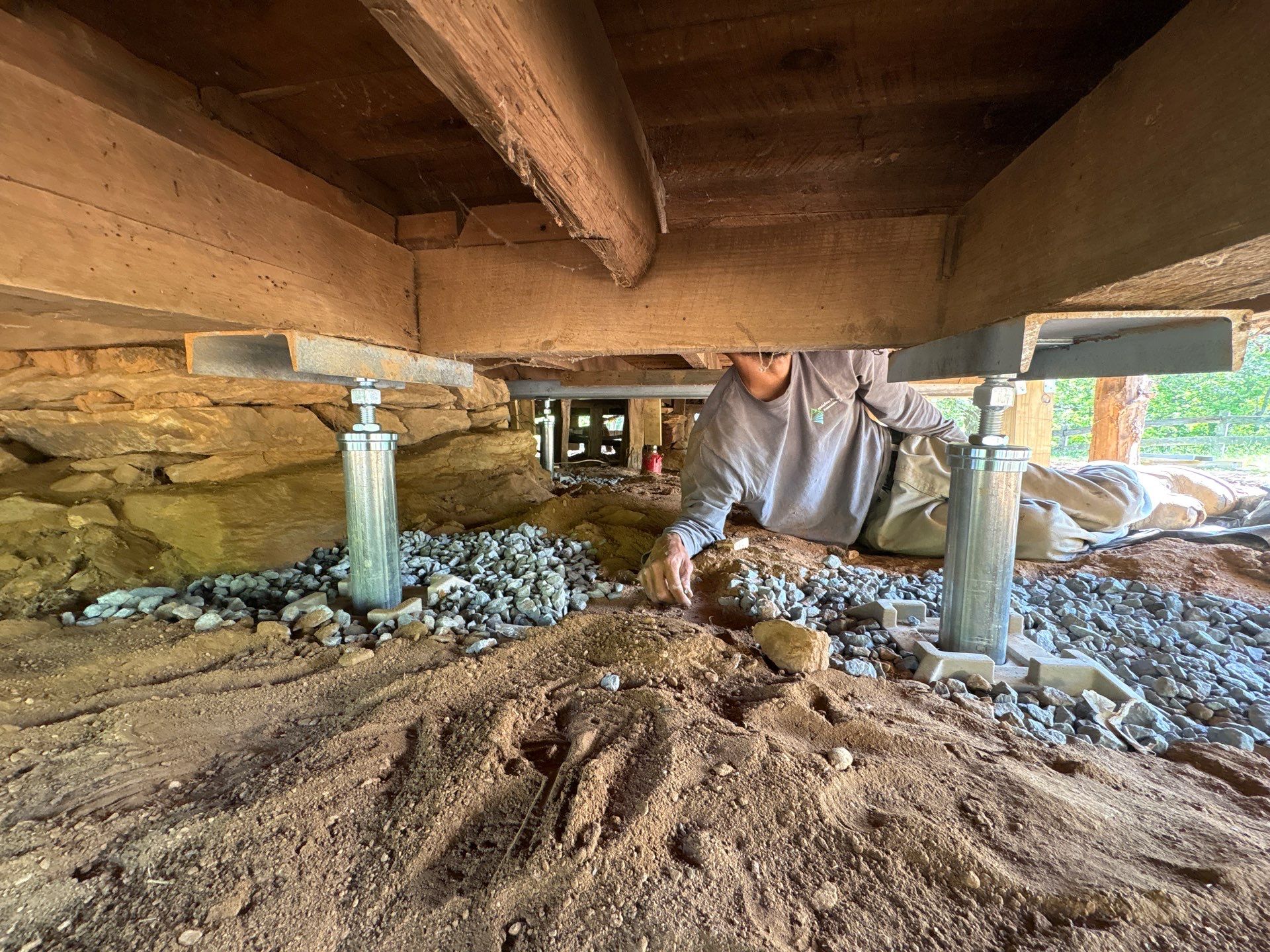
- Floor joist repair or reinforcement
- Beam repair or replacement
- Crawl space support jack installation
- Wood rot repair
- Moisture control improvements
- Drainage corrections
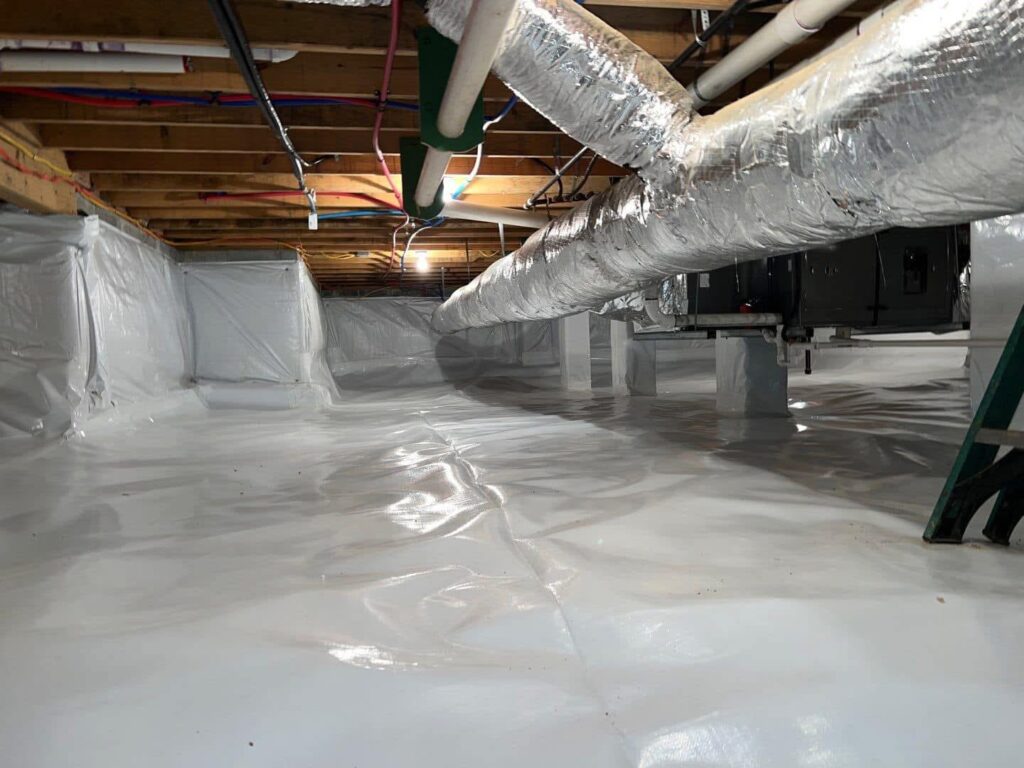
- Vapor barrier installation
- Crawl space waterproofing
- Insulation removal and replacement
- Mold-related cleanup and prevention steps
- Preparation for full crawl space encapsulation
The right repair plan depends on the condition of the framing, the amount of moisture present, how water is entering the space, and whether the crawl space is affecting the rest of the home.
Structural Crawl Space Repair Solutions
When the floor system above the crawl space begins to weaken, homeowners may notice sagging floors, dips in the room, bouncing when they walk, or gaps forming near trim and interior walls. These symptoms often point to damaged joists, weakened beams, undersized supports, or moisture-related wood deterioration.
Structural crawl space repair may include reinforcing floor joists, repairing or replacing damaged beams, installing properly supported crawl space jacks, and correcting framing issues that affect the stability of the floor system. In some homes, structural repairs may also need to be paired with moisture control so the repaired wood is not exposed to the same conditions again.
Appalachian Foundation Services looks at both the structure and the environment. That matters because replacing damaged framing without addressing moisture can leave the homeowner with the same problem later.
Moisture Control, Drainage, and Vapor Barrier Repairs
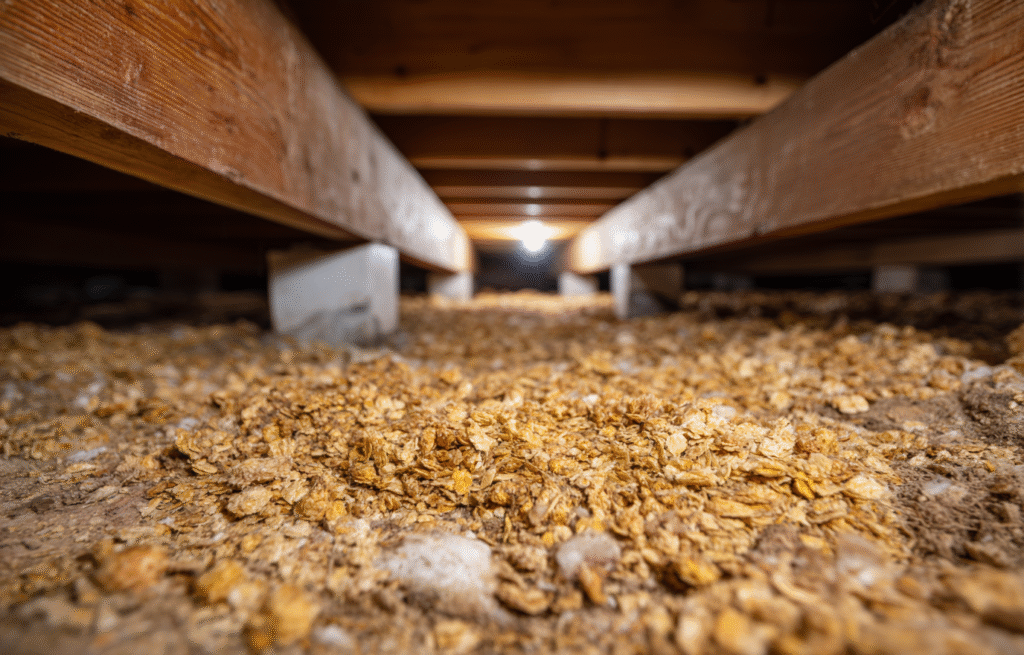
Moisture is one of the most common causes of crawl space damage. Damp soil, standing water, open vents, poor exterior drainage, and missing vapor barriers can all raise humidity under the home. Once moisture collects in the crawl space, it can damage wood, insulation, and metal components and affect air quality in the living space.
Depending on the condition of the crawl space, moisture control may include improving drainage, installing a vapor barrier, sealing problem areas, removing damaged insulation, and recommending encapsulation where appropriate. In some homes, crawl space waterproofing or a sump system may be needed to manage water that enters during heavy rain.
The goal is to control the source of moisture, not just hide the symptoms.
Durable Vapor Barrier Installation
Drainage Systems and Water Management
Crawl Space Encapsulation Strategy
Crawlspace Repair vs. Crawl Space Encapsulation
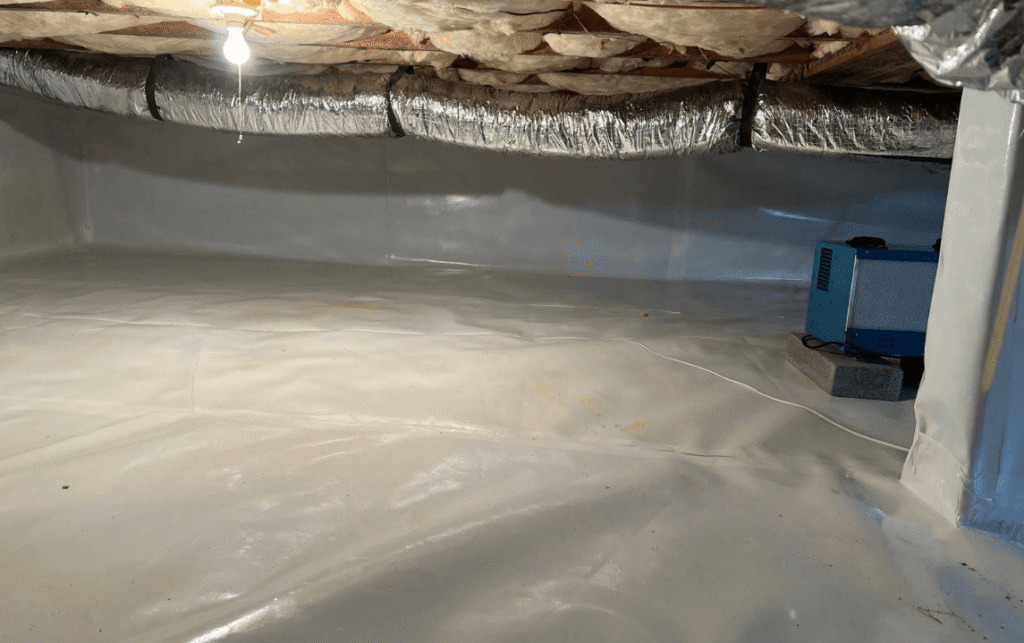
Crawlspace repair and crawl space encapsulation are related, but they are not the same service. Crawlspace repair focuses on fixing damage and correcting conditions under the home. Encapsulation focuses on sealing and conditioning the crawl space to control moisture and humidity.
If the crawl space has damaged joists, wood rot, standing water, failing supports, or insulation problems, those issues should be evaluated before encapsulation is treated as the answer. In many cases, repair comes first, and encapsulation becomes part of the long-term moisture control plan.
This is why an inspection matters. A clean liner may improve appearance, but it will not correct structural damage on its own.
Why Crawl Space Problems Are Common Around Lynchburg
Homes in and around Lynchburg can be prone to crawl space problems due to seasonal humidity, heavy rain, older construction styles, sloped lots, and drainage patterns that direct water toward the foundation. Crawl spaces built with limited vapor protection or open ventilation can become damp over time, especially when exterior grading and downspout drainage do not move water far enough away from the home.
Older homes may also have floor framing that has been exposed to moisture for years before the homeowner notices a problem. By the time floors begin to sag or odors enter the living space, the crawl space may need structural repair and moisture control.
Our Crawlspace Repair Process
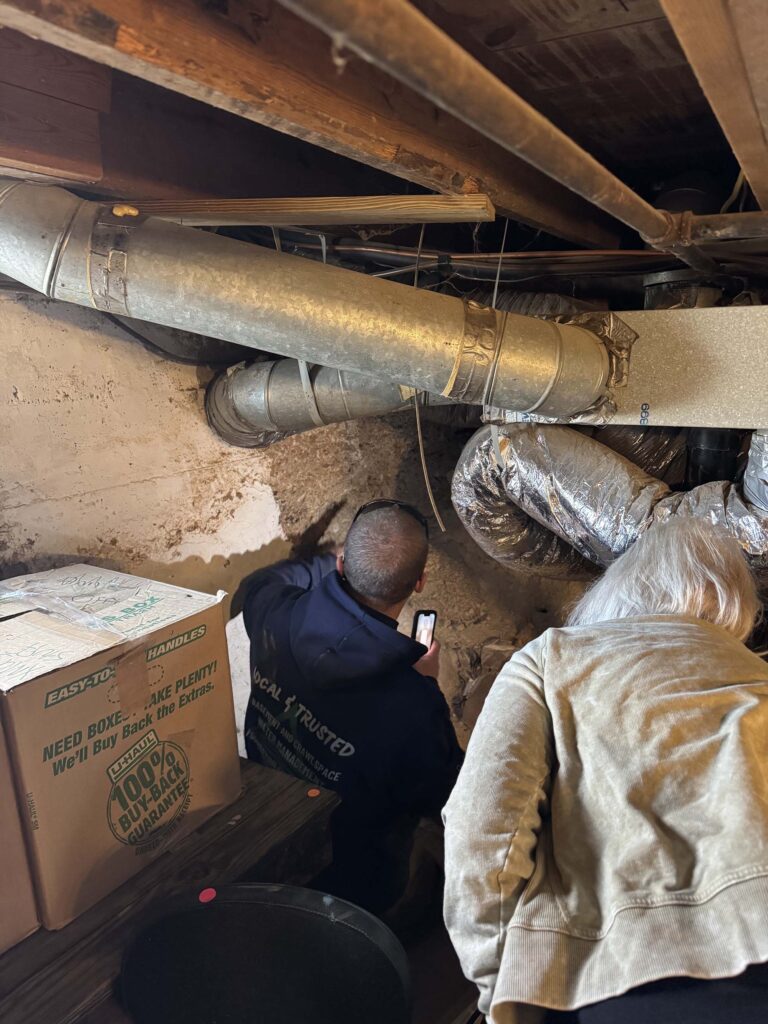
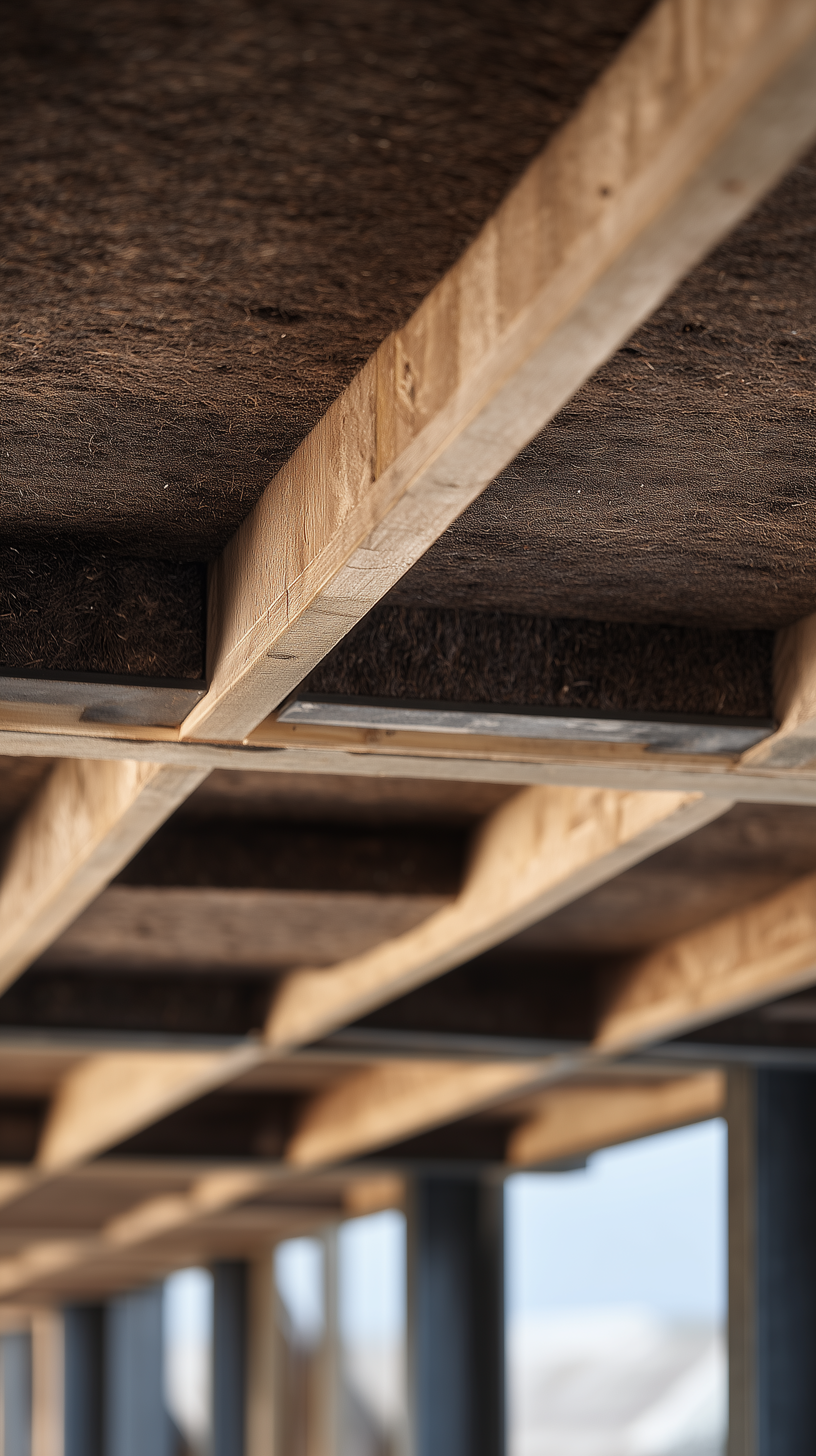
Appalachian Foundation Services begins with a crawl space inspection. We look for water intrusion, moisture damage, wood rot, sagging or damaged framing, failing supports, insulation problems, mold concerns, and signs that the crawl space is affecting the home above it.
After the inspection, we explain what is happening, what needs to be repaired first, and which solutions make sense for the home. The repair plan may include structural support, drainage improvements, vapor barrier installation, waterproofing, insulation work, or encapsulation recommendations.
Our goal is to give homeowners a clear repair path instead of a one-size-fits-all crawl space package.
Why Choose Appalachian Foundation Services
Appalachian Foundation Services understands that crawl space problems are not just cosmetic. A damp or damaged crawl space can affect the structure, comfort, air quality, and long-term value of the home. Our team focuses on identifying the root cause of the problem and recommending repairs that match the property’s condition.
Homeowners choose Appalachian Foundation Services for crawlspace repair in Lynchburg because we handle both structural and moisture-related concerns. That allows us to look at the whole crawl space instead of treating every problem as only a waterproofing issue or only an encapsulation issue.
Schedule a Free Crawlspace Inspection in Lynchburg, VA
If you have sagging floors, musty odors, standing water, damaged insulation, or visible wood rot under your home, schedule a crawlspace inspection with Appalachian Foundation Services. We provide crawlspace repair in Lynchburg, VA, and the surrounding areas, helping homeowners address damage beneath their homes before it becomes a larger structural problem.
Contact Appalachian Foundation Services today to schedule your free crawlspace inspection in Lynchburg, VA.
FAQs About Crawlspace Repair in Lynchburg, VA
Common warning signs include sagging floors, musty odors, high humidity, damaged insulation, standing water, mold growth, and wood rot. If the crawl space is affecting the comfort or structure of the home, it should be inspected.
In many cases, yes. Sagging floors may be caused by weakened joists, damaged beams, failing supports, or moisture-related wood deterioration. A crawl space inspection can identify the cause and determine the right repair.
No. Encapsulation seals the crawl space to help control moisture. Crawlspace repair addresses damage such as wood rot, failing supports, joist problems, insulation damage, and drainage issues. Some homes need repair before encapsulation.
Moisture can come from poor drainage, damp soil, open vents, plumbing leaks, missing vapor barriers, or water entering around the foundation. Seasonal humidity and heavy rain can make these problems worse.
If the crawl space has moisture damage, sagging floors, mold issues, or structural problems, repairs may help protect the home and reduce inspection issues during a sale. A professional inspection can show what should be addressed.
The timeline depends on the size of the crawl space and the repairs needed. Minor repairs may be completed quickly, while structural repairs, drainage work, insulation replacement, or encapsulation preparation may take longer.