
The Role of Floor Joists in Your Home’s Structural Integrity
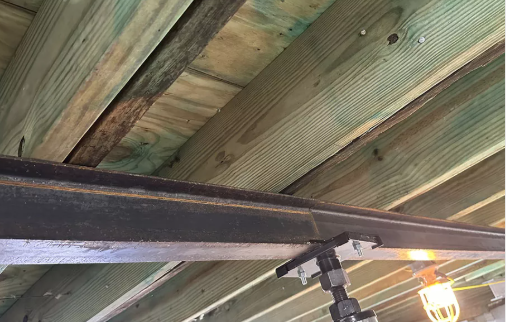
Appalachian Foundation Services specializes in foundation repair and solutions for damaged joists, providing accurate floor joist repair quotes and working with trusted partner contractors to deliver quality results. Whether tackling crawl spaces, sagging floors, or other projects, our team offers a free estimate to help property owners make informed decisions and protect their homes.
Floor joist repair: Protecting your home’s safety, value, and structural stability.
When it comes to maintaining your home’s structural integrity, floor joist repair in Roanoke, VA is one of the most important considerations, as few elements are as crucial as your floor joists. At Appalachian Foundation Services, we understand that damaged or sagging joists, foundation issues, or weakened support beams can compromise safety, reduce property value, and lead to costly repairs if not addressed promptly. Whether you’ve noticed cracks in walls or floors, have concerns about your foundation type, or suspect structural problems, a professional evaluation is key.
Our team provides clear floor joist repair quotes, explains the cost factors of foundation repair, and utilizes advanced equipment to deliver practical and accessible solutions. This article examines the significance of joists, the warning signs of damage, and why professional repair is crucial for homeowners contemplating floor joist repair in Roanoke, VA. At Appalachian Foundation Services, we focus on restoring structural stability, enabling Roanoke homeowners to ensure long-term protection and peace of mind.
How can I determine if my floor joists require repair?
Homeowners often ask how they can identify when their floor joists are failing. Warning signs include uneven floors, cracks in walls, squeaky flooring, or sagging beams. At Appalachian Foundation Services, our clients have shared that once they noticed these signs and reached out, our timely response prevented further damage and gave them peace of mind.
What is the average cost of floor joist repair?
Many property owners wonder about the investment required for repairs. The cost depends on the extent of damage, crawl space access, and materials used. On average, repairs in Roanoke remain affordable compared to costly repairs caused by neglect. Reviews often highlight our ability to provide fair pricing and free estimates that make budgeting less stressful. For homeowners planning, it’s always wise to request floor joist repair quotes early to avoid surprises and ensure peace of mind.
Can floor joists be repaired, or do they need replacement?
Some joists can be repaired through reinforcement, while others may require complete replacement. A professional inspection determines the right approach.
Customers we’ve helped often note in testimonials that our structural repair solutions restored their home’s stability without unnecessary expenses.
How long does it take to repair damaged floor joists?
Repair timelines vary, but most jobs take between one day and one week, depending on the severity of the issue. Quick action prevents further deterioration. Clients frequently commend our efficient work and the minimal disruption we caused in their living spaces.
What are the signs of a failing floor joist?
Sagging or uneven floors, wall cracks, and sticking doors are the most common indicators of structural issues. If left unaddressed, these issues can worsen rapidly. Testimonials from Roanoke homeowners show relief after addressing these problems early with our professional repair services.
Why are my floors sagging or uneven?
Sagging floors often signal foundation issues, water damage, or weakened joists. Addressing the root cause is key. Homeowners we’ve served appreciate that our solutions not only fixed their sagging floors but also improved the long-term stability of their homes.
Does water damage cause floor joists to rot?
Yes. Moisture exposure can lead to rotting floor joists and mold growth. Waterproofing solutions are crucial in preventing structural damage. Clients often review our team positively for providing moisture control strategies that stopped further deterioration.
Can termites damage floor joists?
Termites can severely weaken joists, leaving structures unsafe. Professional inspections catch infestations early. Many customer reviews highlight our thorough inspections and long-term protection that safeguarded their property value.
How dangerous is it to ignore floor joist problems?
Delaying repairs can lead to unsafe living spaces, costly repairs, and a reduced property value. Several homeowners in Roanoke have shared how grateful they were after finally addressing structural issues before they worsened.
What happens if a floor joist breaks?
A broken joist compromises the structural integrity and often results in uneven floors. Our professional team ensures these repairs are handled promptly. Clients have shared in testimonials that their homes felt safer and sturdier after we replaced or reinforced broken beams.
How do you repair floor joists in a crawl space?
Repairs typically involve sistering, beam replacement, or structural reinforcement. This specialized work requires a crawl space contractor with experience. Positive feedback from our customers frequently praises the attention to detail and quality work we bring to crawl space repairs.
Do weak floor joists affect my home’s foundation?
Yes. Weak joists shift load distribution, creating foundation issues. Our foundation and floor joist repair in Roanoke services prevent further damage and restore balance. Many reviews highlight how our team improved not only their floors but also their overall foundation health.
Can cracked or bowed joists be fixed?
Yes. Reinforcement with quality materials or replacement can resolve these issues. Homeowners consistently mention how our structural repair contractors saved them from expensive repairs by addressing cracked and bowed joists early.
What type of contractor specializes in fixing floor joists?
Foundation repair specialists and structural repair contractors are the right professionals to call. Appalachian Foundation Services provides expert-level solutions backed by years of experience. Our reputation in Roanoke is bolstered by reviews that praise our professionalism and customer care.
How do I strengthen old floor joists?
Methods such as sistering or steel reinforcement add strength. Using quality materials is key to durability. Testimonials from property owners frequently highlight the long-term stability and safety improvements we achieved in their homes.
How can I prevent moisture damage to floor joists?
Moisture control, encapsulation, and ventilation upgrades are proactive solutions. Preventive services save homeowners from expensive repairs later. Clients have shared that these solutions not only protected their joists but also improved air quality inside their homes.
Will sealing my crawl space protect my floor joists?
Yes. Crawl space sealing prevents water from entering and prevents rot, playing a crucial role in maintaining structural stability. For homeowners seeking Roanoke floor joist repair, sealing provides added protection against foundation problems by limiting moisture that weakens support beams and joists. Reviews often highlight the peace of mind that comes from knowing their crawl spaces and floor systems are safe from moisture damage, and our solutions help Roanoke ensure their homes stay strong for years to come.
How often should floor joists be inspected?
Regular inspections are recommended every few years—or sooner if warning signs appear. Our free estimate services provide homeowners with peace of mind. Customers consistently value our transparency and the reassurance they receive from inspections.
Are there permanent solutions for sagging floors?
Yes. Permanent solutions involve structural reinforcement, beam replacement, and correcting foundation issues. Reviews often note that after our permanent solutions, sagging floors were no longer a concern, and their homes regained stability.
What materials are best for replacing floor joists?
Pressure-treated lumber, engineered wood, and steel reinforcements are the most reliable options for structural support. Using durable materials ensures long-term stability. Homeowners often remark on how our use of quality materials improved their property value and protected their investment.
Can sagging floor joists create trip hazards?
Yes. Uneven or sagging floors, caused by weak joists, can create trip hazards that compromise safety. Our sagging floor repair in Roanoke, VA, services restore even flooring and improve living spaces. Many clients highlight how these repairs not only solved structural issues but also improved daily safety.
Do sill plates impact floor joist stability?
Absolutely. A deteriorating sill plate can compromise the connection between floor joists and the home’s foundation. Our sill plate replacement and structural repairs in Roanoke, VA, strengthen structural support, protect against further damage, and improve long-term stability.
What role does moisture control play in protecting joists?
Moisture is one of the leading causes of floor joist deterioration. Without proper moisture control, mold growth and further deterioration occur. Our crawl space wood rot repair services in Roanoke, paired with dehumidifiers and vapor barriers, ensure long-term stability and healthier living spaces.
How can professional repair services improve property value?
By preventing further damage, professional floor joist and foundation repairs protect your property value. Homeowners who invest in timely joist repair often experience improved safety, enhanced stability, and a higher resale value. Many testimonials praise Appalachian Foundation Services for delivering high-quality work that prioritizes both safety and property value.
Customer Testimonials
Was the repair process fast and professional?
"Absolutely. The crew from Appalachian Foundation Services completed our Floor Joist Repair Roanoke VA project quickly and with minimal disruption.
They even followed up afterward to ensure we were satisfied. Highly recommend!
Take Action to Protect Your Home Today
Floor joists are the backbone of your home’s structural integrity. Ignoring sagging or damaged joists can lead to uneven floors, costly repairs, and even safety hazards. For reliable solutions, trust Appalachian Foundation Services—your local experts in floor joist repair near me, Roanoke.
Protect your home by requesting a free estimate and letting our partner contractors deliver quality results to restore safety and structural stability. Our customer reviews and testimonials consistently reflect our commitment to producing high-quality work, ensuring safety, and upholding professional standards. For the strongest peace of mind, always choose professional floor joist repair in Roanoke, VA.

Did Appalachian Foundation Services provide reliable solutions for my home?
"Yes! We contacted Appalachian Foundation Services for floor joist repair in Roanoke, VA, and their team was fantastic. They explained the process, gave us a clear quote, and delivered outstanding results. Our floors feel stable again, and we couldn’t be happier."