
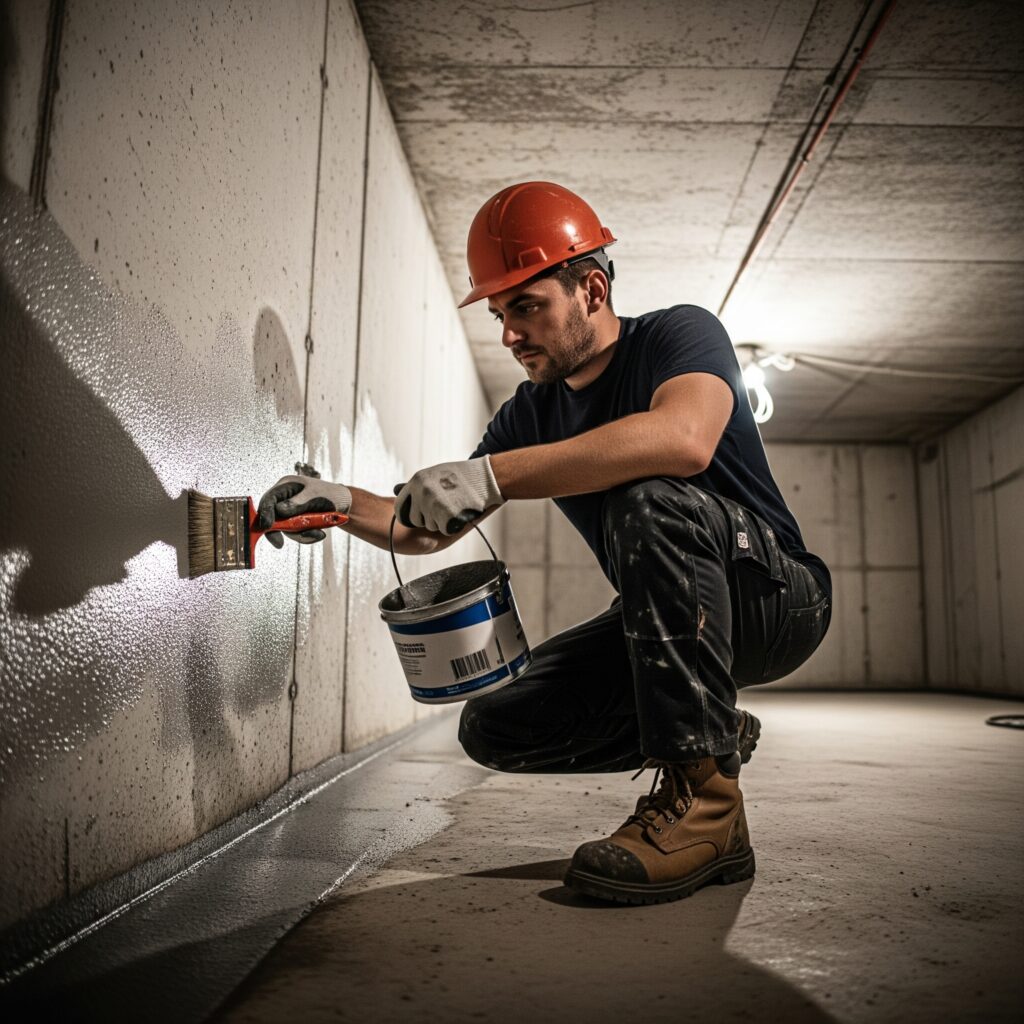
A dry basement is more than just a convenience—it’s a critical component of your home’s structural integrity and your family’s health. Water in the basement can lead to mold, foundation damage, and compromised indoor air quality.
At Appalachian Foundation Services, the best approach is prevention. This basement waterproofing guide provides practical tips to prevent leaks before they occur, mitigate basement water issues, and create a healthier living environment.
6 Top Basement Waterproofing Tips to Prevent Water Damage
1. Improve Exterior Drainage Systems
-
Grading and Landscape Slope
Make sure your house slopes away from the outside basement walls. Improper grading leads to water pooling around your foundation, increasing hydrostatic pressure and the risk of moisture infiltration. -
Gutters, Downspouts & Gutter Guards
Clean gutters regularly to allow water to flow freely. Also, consider installing gutter guards to minimize clogs and manage excess water during storms. Downspouts should extend far enough to divert water away from your foundation walls. -
French Drain System and Drainage Channels
A French drain system is a powerful tool for gathering water and guiding it away, utilizing a perforated pipe and gravel. Combine this with a drainage board to protect exterior walls and improve long-term waterproofing efforts.
⭐⭐⭐⭐⭐
“Appalachian did a great job putting a sump pump in our basement entryway. Rico Carter and Caleb Mattox worked hard to make it happen. Very neat, cleaned up afterward. Would recommend these guys.” — Michael Thompson, 4 months ago
2. Seal Foundation Cracks and Exterior Waterproofing
Your foundation acts as a barrier, but even small cracks or holes can cause significant water penetration.
Foundation and Structural Sealing
Use epoxy or polyurethane to seal foundation cracks, especially in basement floors and interior walls. These are areas where water pressure from saturated soil often leads to leaks or standing water.
Exterior Waterproofing Methods
Apply a waterproof membrane or vapor barrier to exterior walls for long-term protection. These waterproofing techniques form a watertight seal that helps resist hydrostatic pressure.
For professional help, visit our page on Foundation Waterproofing Services to learn more about how we apply high-performance exterior systems.
3. Interior Waterproofing Methods
When exterior protection isn’t enough, reinforce your basement from the inside using a variety of interior waterproofing methods.
Sump Pump System & Sump Pit
Installing a sump pump system in a designated sump pit is vital for areas prone to flooding. These systems collect water and eject it safely outside the home. Be sure to choose professional installation for reliability and consider a backup power source.
Interior Drainage Systems
Interior drainage systems, like drainage channels around the perimeter of your basement, work in tandem with your sump pump. These catch water intrusion before it hits your living space.
Waterproof Coatings and Vapor Barriers
Apply waterproof coatings or vapor barriers to interior walls and basement floors to create an additional layer of protection against moisture issues.
4. Address Moisture and Indoor Humidity
Even with structural measures, you must control the environment inside your basement.
- Dehumidifiers reduce indoor humidity, helping to prevent mold growth.
- Fix leaky pipes promptly to reduce localized moisture infiltration.
- Watch for musty odors or dampness, both signs of hidden leaks or condensation.
Proper waterproofing measures combined with ongoing maintenance are crucial for keeping your basement dry and your home safe.
⭐⭐⭐⭐⭐
“Appalachian Foundation installed a long drain curtain in my backyard and buried my downspouts. From sales to scheduling to the actual work—it was seamless. The crew kept me updated, were very polite, and worked hard. Shout out to Sam for constant communication and sending job updates. Would definitely recommend!”
— Nicholas Farmakis, 1 week ago
5. Ongoing Maintenance and Inspections
Regular Maintenance Tasks
- Inspect the basement for standing water, foundation cracks, or new signs of moisture problems.
- Test your sump pump system every few months.
- Check the grading and exterior drainage systems to ensure water still flows away properly.
Monitor and Adjust
Use a hygrometer to track indoor humidity levels. Consider conducting seasonal inspections to address changes in water flow patterns resulting from rain or snow.
6. When to Call the Professionals
-
Seek Help for Complex Waterproofing Systems
If you have a wet basement, persistent leaks, or signs of structural damage, it’s time to invest in a complete waterproofing system. Appalachian Foundation Services provides expert assessments and custom waterproofing solutions, ranging from installing French drain systems to applying advanced waterproof membrane products. -
Why It Matters
Professional services don’t just prevent moisture—they help you avoid costly repairs, improve indoor air quality, and create a healthier living environment for your family.
Prevent Leaks Before They Start
Effective waterproofing measures begin with a proactive mindset. By combining proper maintenance, intelligent waterproofing techniques, and professional help when needed, you can keep your basement dry, preserve your home’s foundation, and enjoy a safe, clean living space year-round.
Have questions or need a quote? Contact Appalachian Foundation Services today. We’re here to help with trusted waterproofing solutions across the region.