
Understanding the Impact of Soil Conditions on Your
Home’s Structural Integrity
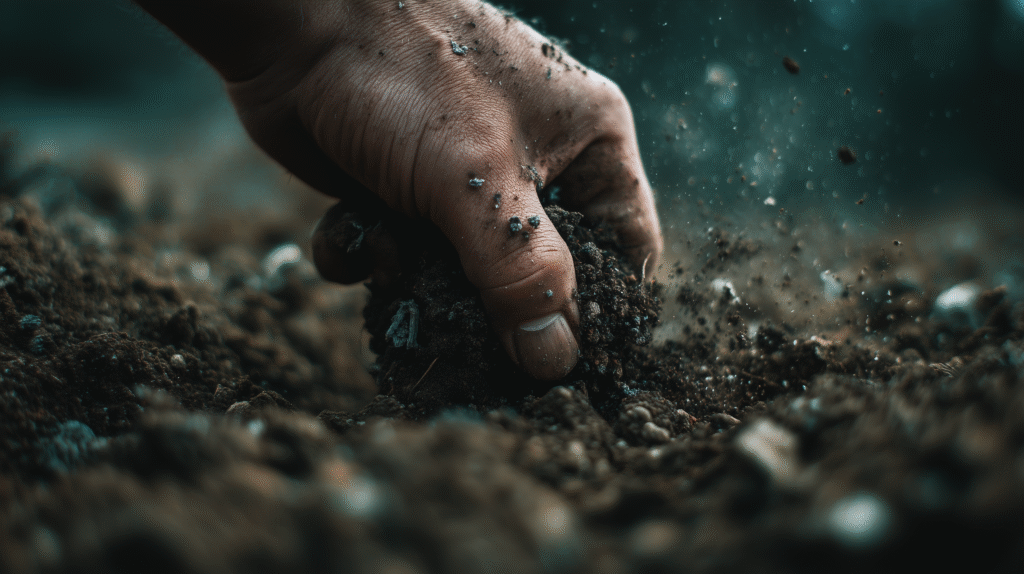
When it comes to building a home or addressing foundation issues, one critical but often overlooked factor is the soil beneath the structure. The soil type has a significant impact on foundation stability due to its bearing capacity, moisture behavior, and structural composition. At Appalachian Foundation Services, we understand how foundation cracks, soil shifting, and structural damage are often the result of the soil’s ability (or inability) to support a stable structure.
In this article, we’ll explore how different soil types affect home foundations, the unique characteristics of the most common soil types, and how you can ensure long-term stability through proper planning, soil testing, and foundation repair solutions.
Why Soil Matters in Foundation Stability
Soil isn’t just the ground your house sits on—it’s the foundation of your foundation. Soil properties such as bearing capacity, moisture behavior, and structural composition all affect how well your home holds up over time.
Some soils remain compact and firm, while others expand, shift, or settle—especially as moisture and temperature fluctuate. If these shifts occur unevenly beneath your foundation, structural stress, cracks, and misalignment follow.
⭐️⭐️⭐️⭐️⭐️
“Appalachian Foundation installed a long drain curtain in my backyard as well as buried my downspouts. Everything from the sales process to scheduling to performing the work was seamless and pain-free.” — Nicholas Farmakis.
1. The Critical Role of Bearing Capacity in Soil
The load-bearing capacity of soil determines how much weight it can support before it starts to shift or settle. This directly affects foundation stability.
High Bearing Capacity Soils:
Rock, well-graded sand, sandy loam soil, and gravel can handle a significant amount of weight. These are considered stable soils, making them ideal for building foundations without the need for additional support.
Low Bearing Capacity Soils:
Silty soil, expansive clay soil, and peat soil have low bearing capacity and are more prone to shifting, settling, or collapsing under pressure, especially after heavy rains. These types are typically found in areas prone to foundation damage.
These soils are prone to settling, shifting, or collapsing, especially after heavy rain or drought, and often require soil stabilization or pier systems.
2. Moisture Levels and Soil Movement
he soil’s moisture sensitivity can lead to seasonal foundation issues:
Expansive Soils Like Clay:
These retain water, causing them to expand during wet conditions and contract during dry spells. This movement can result in foundation cracks and lateral pressure on retaining walls. This is primarily a concern in many regions where expansive clay soils are typical.
Well-Drained Soils Like Gravelly or Sandy Soil:
These types allow water to flow through easily, minimizing moisture levels and providing more stable foundation conditions. Unlike clay, these materials are less likely to heave or shrink, reducing the likelihood of costly repairs.
⭐️⭐️⭐️⭐️⭐️
Appalachian did a great job putting a sump pump in our basement entryway. Very neat, and cleaned up afterward. Would recommend these guys.
— Michael Thompson.
Proper drainage is also crucial, and systems like exterior drainage systems and downspout extensions can help manage water flow away from your foundation.
3. Soil Layers: What's Beneath the Surface?
In addition to soil type, the layers of soil beneath your home also impact foundation design and repair.
- Topsoil – Nutrient-rich but not suitable for building.
- Subsoil – Denser, supports shallow foundations.
- Bedrock – Very stable, ideal for foundation anchoring.
- Fill Soil – Man-moved material used in construction; must be adequately compacted.
Understanding soil layering and compaction helps engineers assess whether a structure is being built on native soil or engineered fill, which can settle over time if not properly tested and compacted.
4. Soil Structure, Organic Matter, and Stability
The internal makeup of soil—its soil composition, structure, and organic material content—plays a critical role in supporting foundations:
Stable Soil:
Soil with good drainage characteristics, large aggregates, and moderate organic matter maintains its shape and resists soil shifting.
Unstable Soil:
High levels of organic material, such as in peat soil, make the soil spongy and weak, requiring additional support, such as helical piers or other foundation repair systems.
5. Why Soil Testing Is Essential Before Construction Projects
Professional soil testing is crucial before construction starts. It evaluates the soil conditions and helps engineers and contractors:
- Choose the best foundation type.
- Assess the soil’s ability to handle the weight of a structure.
- Plan for soil stabilization or reinforcement if needed.
Especially in regions with known soil issues, early testing can prevent future foundation damage and structural instability. For homes already experiencing problems, structural repair and foundation repair can address existing damage and strengthen your foundation.
6. Solutions for Weak or Problematic Soil
When soil is unsuitable for building, stabilization can improve its performance:
- Mechanical Stabilization: Compacting the soil or adding retaining walls to manage lateral pressure.
- Chemical Treatments: Using lime or cement to enhance soil strength.
- Foundation Reinforcements: Installing helical piers or drilled piers to transfer the structural load deeper into more stable soil layers.
If moisture has caused issues such as mold or wood rot affecting your home’s foundation, consider professional mold remediation or wood rot repair services.
⭐️⭐️⭐️⭐️⭐️
“Appalachian Foundation Services has been fantastic from start to finish. They gave us a detailed plan and estimate that they kept to. The crew did a great job with the work, and the office was very responsive.” — Cor Snider.
Recognizing Signs of Foundation Damage
Soil problems often reveal themselves in visible ways. Look for:
- Cracks in brick, drywall, or flooring.
- Misaligned doors or windows.
- Sloping or uneven floors.
- Gaps between walls and trim.
- Cracked or leaning chimneys.
- Collapsing retaining walls.
If you notice these, it’s time to schedule a foundation inspection.
Frequently Asked Questions (FAQ)
Q: What soil type is best for building a home foundation?
A: Soils like sandy loam, gravel, and well-compacted sand offer excellent support due to their drainage and compaction characteristics.
Q: Can I build on expansive clay soil?
A: Yes, but only with proper mitigation. Techniques like soil stabilization, drainage improvements, and pier installation are often necessary.
Q: What does a soil test reveal?
A: A professional soil test evaluates bearing capacity, moisture content, soil composition, and recommended foundation type.
Q: Should I use native soil or imported fill?
A: Native soil is cost-effective but must be tested for stability. Engineered fill offers a more predictable performance if native soil is weak or unstable.
Understanding Soil Type for a Stronger Foundation
The impact of soil type on foundation stability is far-reaching. Whether building new or dealing with foundation cracks, understanding the soil beneath your home can mean the difference between a stable foundation and recurring foundation issues.
At Appalachian Foundation Services, we specialize in identifying and correcting problems caused by soil conditions. Whether facing challenges with expansive soils, drainage, or soil shifting, we’re here to ensure your foundation stands strong, no matter what lies beneath.
Schedule a Soil Evaluation Today
Protect your home’s structural integrity by scheduling a professional soil testing and foundation assessment. Contact Appalachian Foundation Services for a consultation, and let’s build a more stable foundation for your future.