
Why Your Floors Feel Soft or Bouncy Underfoot
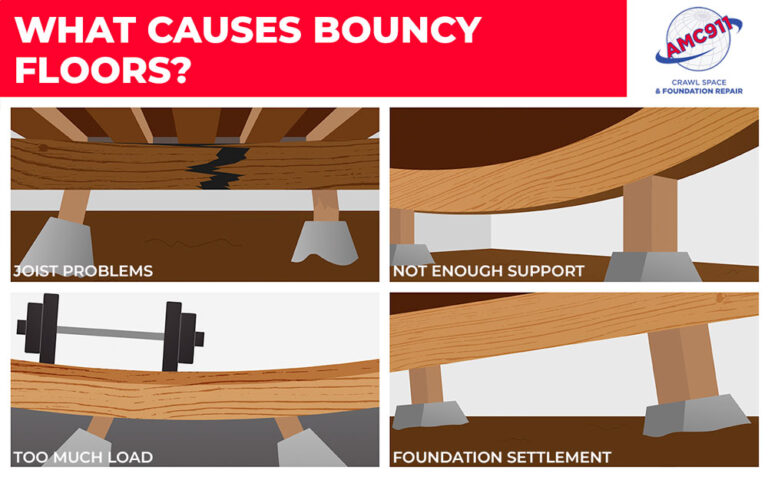
Bouncy and Sagging Floors Signal Structural Problems
If you notice a bounce when you walk across your home, floors that feel soft, or visible sagging, it’s often a structural issue with the floor rather than a surface-level problem. While some minor issues may seem harmless at first, ongoing movement in the floor system can indicate deeper structural problems that worsen over time.
In many cases—especially in older houses—the root cause is weakened floor joists, I-joists, beams, or damaged floor trusses within the floor system. Addressing bouncy floors promptly is crucial to prevent further damage, rising costs, and loss of structural integrity, which is why many homeowners rely on Appalachian Foundation Services for professional evaluation and repair.
What Is the Floor System and Why Does It Matter
Your home’s floor system includes the subfloor, floor joists, I-joists, trusses, beams, and supports that transfer weight safely down to a solid foundation—whether that’s a slab, crawl space, or basement.
These systems are designed using a design guide, construction standards, and minimum code requirements, accounting for joist span, materials, loads, and stiffness. When floors are pushed beyond those limits—such as with longer spans, added weight, or inadequate support—a deflection issue can develop.
Why Floors Feel Soft, Bouncy, or Unstable
Floors should feel stiff and secure when you stand on them or walk across them. Excessive bounce often indicates a loss of stiffness in the middle of the span or deterioration within the supporting structure.
Floor Deflection and Joist Problems
Common causes include floor deflection, truss problems, or joists bending under load. Improper joist span, weakened materials, or aging components reduce the system’s ability to support everyday use.
Uneven or Sagging Floors
An uneven floor’s structural cause may appear as dips, slopes, or sagging, especially near the center of rooms. This often stems from sloping floors, truss damage, joist fatigue, or beam settlement.
Cracked Flooring and Interior Damage
A structural issue in the flooring can manifest as cracks in tile, hardwood, drywall, walls, or even ceilings. This damage occurs as repeated floor movement transfers stress upward.
Common Causes of Bouncy Floors
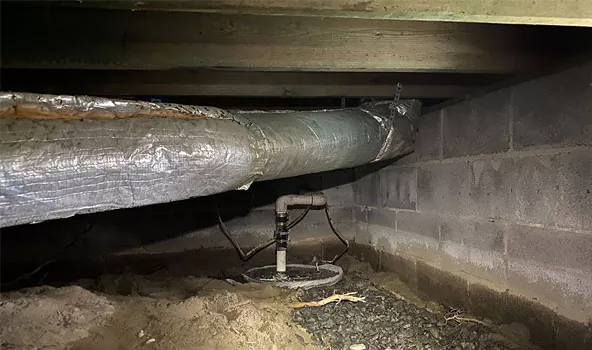 Several factors can weaken floor structures over time:
Moisture and Deterioration
- Moisture, high humidity, or poor drainage
- Wood rot caused by leaks or standing water
- Missing or failing sump pumps in crawl spaces or basements
Plumbing, Pests, and Environment
- Plumbing leak, truss damage, or leaking lines near joists
- Pest infestations, including termite damage to floor trusses
- Long-term deterioration hidden below the subfloor
Structural and Load Issues
- Overloaded floor trusses from heavy furniture or renovations
- Alterations that remove supports or block airflow
- Homes built to older standards that no longer meet modern load expectations
These conditions reduce support, create flex, and eventually lead to visible floor problems.
How Crawl Spaces Contribute to Bouncy Floors
Crawl spaces play a critical role in floor stability, and problems below the home often show up as bounce above it. Moisture and support issues in this area are common contributors to bouncy floors.
Common crawl space factors:
- Excess moisture and high humidity weaken structural materials.
- Poor drainage or missing sump pumps are allowing water to accumulate.
- Wood rot and material breakdown beneath the subfloor.
- Pest infestations that compromise joists and beams.
- Settling or shifting supports creates inadequate support.
- Situations where professionals may install crawl space jacks to restore stability.
Addressing crawl space conditions is often crucial for stabilizing floors and restoring proper support throughout the structure.
Are Bouncy Floors a Structural Problem?
Yes. A persistent bouncy floor’s structural issue often means the floor system is no longer distributing weight correctly. While small vibrations are normal, excessive bounce typically indicates a deflection issue that should be evaluated to determine the safest path forward.
How Professionals Evaluate Bouncy Floors
When floors feel soft or unstable, a professional evaluation helps determine whether the issue is cosmetic or a genuine structural concern. This process focuses on identifying the source of movement and the extent of the problem.
What professionals assess:
- How the floor reacts when occupants walk across it, and where bounce is most noticeable.
- Areas of excessive movement, especially near the middle of joist spans.
- Floor joists, I-joists, trusses, and beams for sagging, cracking, or reduced stiffness.
- Evidence of a deflection issue or spans exceeding minimum code requirements.
- Signs of wood rot, moisture exposure, or material deterioration.
- Whether added weight or past construction changes affect load distribution.
- Conditions that may require review by a structural engineer.
This step-by-step evaluation allows professionals to determine the most effective way to stabilize the floor system and prevent further damage.
DIY Solutions vs. Professional Help
Homeowners often search online for DIY solutions, ideas, or quick fixes to address bouncy floors. While temporary measures may reduce movement a bit, they rarely address the root cause.
The most effective way to repair bouncy floors is through professional help, which may involve:
- Reinforcing joists or trusses
- Adding beams or supports
- Installing crawl space jacks for added stability
- Correcting moisture and drainage issues
In many cases, these repairs fall under comprehensive structural repair services designed to restore proper load distribution and long-term stability.
Why Early Intervention Matters
Early intervention is crucial. What begins as a minor bounce can progress into widespread structural problems affecting floors, walls, and ceilings. Prompt repairs help:
- Stabilize the structure
- Prevent long-term deterioration
- Reduce repair scope and overall cost
- Protect the safety of every person in the home
Ignoring the warning signs increases the risk of expensive repairs later.
Floor Truss Repair vs. Replacement
Not all damage requires replacement. Many cases can be resolved by reinforcing existing components, redistributing load, or adding support. Replacement is typically reserved for severe damage caused by rot, pests, or prolonged moisture exposure.
An experienced team can evaluate conditions and recommend the appropriate repair method using the proper equipment and materials.
How Repairs Protect Structural Integrity
Proper repairs help:
- Restore structural integrity.
- Improve floor stiffness and comfort.
- Prevent damage to the subfloor, walls, and ceilings.
- Maintain property value.
Professional structural repair solutions in Roanoke, VA, help ensure long-term performance and safety.
Should You Repair Bouncy Floors Before Selling?
Yes. Floor movement is a common concern during inspections. Addressing problems early prevents delays, buyer objections, and price reductions during inspections.
Why Bouncy Floors Get Worse Over Time
Bouncy floors rarely stay the same. Without attention, minor issues tend to grow as everyday use repeatedly stresses weakened structural components.
Why problems escalate:
- Repeated foot traffic increases floor movement and deflection.
- Loosened fasteners reduce system stiffness over time.
- Ongoing deterioration of wood and connections.
- Stress is spreading into walls, ceilings, and interior finishes.
- Minor issues are developing into widespread structural problems.
- Delayed repairs lead to further damage and a higher cost.
Early action and professional repair help stabilize the floor system, limit damage, and protect long-term structural integrity before problems reach a critical point.
What Our Customers Say
⭐⭐⭐⭐⭐
Michelle Donohoe
“Appalachian Foundation Services saved our old home from serious structural issues. They removed a massive old furnace, reinforced multiple joists, and stabilized our floors while preserving usable space. The team was professional, respectful, and left everything spotless. Our home feels solid again, and we’re incredibly grateful for their expertise.”
⭐⭐⭐⭐⭐
Griffin Brown
“The inspection process was honest, informative, and low-pressure. They addressed joist sistering and crawl space repairs that other contractors avoided. Communication was excellent, and every concern was handled quickly. It’s rare to find a company this thorough and trustworthy in today’s world of structural work.”
Final Thoughts: When Bouncy Floors Shouldn’t Be Ignored
If your floors feel soft, bouncy, or unstable, it’s not something to overlook. Addressing bouncy floors promptly is one of the most important steps homeowners can take to protect their home’s structure. With proper evaluation and repair, many issues can be stabilized before they escalate.
For homeowners in the Roanoke area, Appalachian Foundation Services offers professional structural solutions backed by experience and proven repair methods.