
The Foundation Repair Process Explained: What Homeowners Should Expect
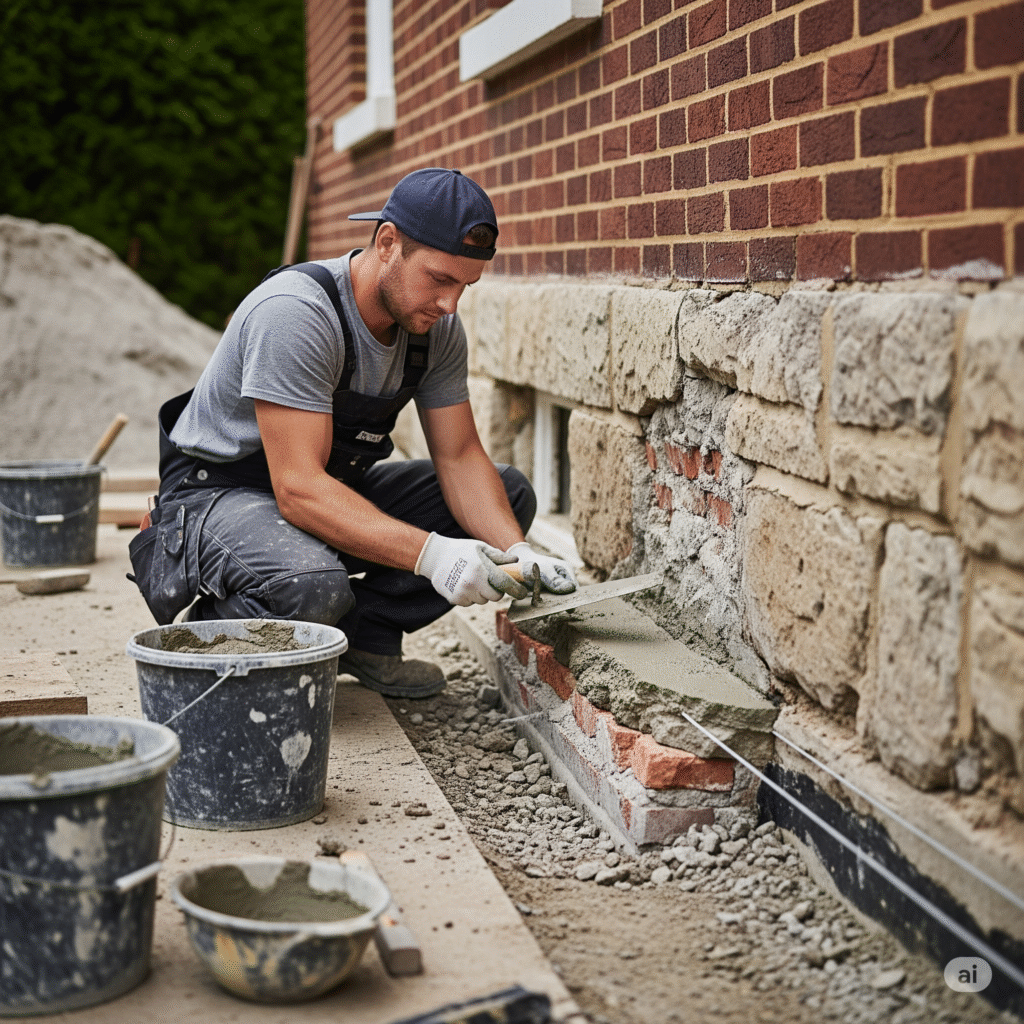
The cost of foundation repair can vary depending on the extent of foundation damage, but recognizing early signs, like exterior and interior signs, can help reduce expenses. Whether your home’s foundation is built on a concrete slab or supported by concrete piers or helical piers, addressing foundation problems and foundation issues promptly is essential for long-term structural integrity.
Is your home’s foundation stable enough to protect everything
built on top of it?
Before getting into the details of how the foundation repair process works, it’s essential to understand what’s at stake, especially when considering foundation repair cost and the potential impact on your home’s structure and value.
Foundation issues can compromise windows, walls, and even remodeling efforts, leading to expensive replacement if not addressed promptly. This guide will help you understand how to interpret both interior and exterior signs of damage, while breaking down the foundation repair process, verifying successful waiting periods, and the importance of providing support to your home’s ground-level systems.
Our human connection to home starts with its stability, and resolving foundation problems now can save you time and money in the long run. Whether it’s correcting structural imbalance or safeguarding against future shifts, Appalachian Foundation Services is your trusted partner in keeping your home secure. From the first ray ID of concern to complete resolution, our team delivers tailored solutions grounded in integrity and expert care.
How does foundation repair work?
Foundation repair begins with a thorough evaluation of your home’s structural concerns. Foundation repair contractors look for warning signs such as cracks in walls, sloping floors, sticking doors, and window misalignment—indicators that your home may be experiencing foundation problems. These issues often result from foundation settlement, unstable soil conditions, or prolonged water exposure.
Once the root cause is identified, experts implement a targeted plan to restore the home’s structural integrity. Depending on the severity and type of foundation damage, they may use piers, beams, concrete slab reinforcement, or advanced techniques like hydraulic lifting and slab jacking. Solutions are tailored to the specific structure and may involve excavation around the foundation, particularly when dealing with exterior signs or beam foundations.
Heavy rains, plumbing leaks, and poor drainage can worsen foundation conditions over time. Addressing both interior signs and exterior signs early allows for more manageable repairs and prevents further deterioration. With timely intervention, homeowners can protect their property’s value and stability in the long run.
Step-by-Step Foundation Repair Guide
A reliable foundation repair process typically involves a sequence of well-coordinated steps to ensure structural stability and long-term results:
- Inspection and Diagnosis: Contractors begin by inspecting your home to identify structural concerns such as wall cracks, uneven floors, sticking doors, or signs of soil movement. This diagnostic phase determines the extent and cause of the foundation problems.
- Customized Repair Plan: Once the assessment is complete, a detailed repair plan is developed. This plan outlines the scope of work, recommended techniques (such as installing concrete piers or helical piers), materials needed, and a projected timeline.
- Installation of Support Systems: With the plan in place, installation begins. Support systems like push piers, steel piers, or helical piers are installed to lift and stabilize the foundation. Hydraulic jacks are often used to adjust elevation and redistribute weight evenly.
- Stabilization and Structural Reinforcement: The home is leveled where necessary, and additional reinforcements such as slab jacking or beam adjustments are implemented to ensure lasting results. This step is critical in maintaining the structural integrity of the home.
- Backfilling and Cleanup: After repairs are completed, excavated soil is backfilled, and the work area is restored. Final inspections confirm the effectiveness of the repair, and any remaining adjustments are addressed.
Throughout these home foundation repair steps, factors such as soil conditions, beam foundations, drainage, and site access are carefully considered to ensure the chosen solutions provide the best possible outcome.
What is the timeline for foundation repair?
The timeline for a complete foundation repair procedure can vary significantly based on several key factors, including the type of foundation, the extent of foundation issues, soil conditions, and the chosen repair method. For example, repairs that involve polyurethane foam injection tend to be quicker and less invasive, while installations using steel or helical piers may require more time due to excavation and structural adjustments.
Typically, a standard foundation repair project may take anywhere from a few days to a few weeks. This timeframe includes site evaluation, planning, obtaining necessary permits, installation, and cleanup. Delays can arise from unexpected plumbing leaks, poor soil stability, access restrictions, or adverse weather conditions. In homes with concrete slabs or crawl spaces, additional preparation might also be needed.
To ensure the project stays on track, contractors use specialized equipment to access damaged areas efficiently. A well-developed repair plan plays a crucial role in anticipating complications and minimizing disruptions to your daily life. Clear communication with your foundation repair team is also essential in maintaining realistic expectations throughout the process.
What should you expect during foundation repairs?
When contractors perform foundation repairs, homeowners should prepare for temporary disruptions and several key considerations that may affect their day-to-day life and budget. While each project is unique, understanding the common expectations can help reduce surprises and improve peace of mind during the process.
Here’s what you can typically expect:
- Noise, Dust, and Limited Access: Ongoing repairs will generate construction noise and debris. Some areas around your home may be off-limits for safety and work efficiency.
- Foundation Excavation: If your home has a concrete slab or beam foundation, parts of the ground will likely be excavated to install underpinning systems like steel piers or helical piers.
- Weather Delays: Heavy rains or wet ground can delay progress and complicate the excavation process. Contractors may adjust timelines for safety and effectiveness.
- Plumbing Leaks and Hidden Issues: Plumbing leaks are often discovered during repairs, especially in older homes. These must be addressed immediately to avoid compromising the integrity of the repair.
- Additional Repairs and Costs: Depending on structural conditions, contractors may recommend additional support systems, leveling adjustments, or material replacement. This may increase the overall foundation repair cost, but ensures long-term value.
- Budget and Communication: A clear understanding of project scope, timelines, and cost helps you manage your money wisely and avoid surprises. Expect transparent communication from your contractor about any findings, changes, or expenses.
- Verification and Support: After repairs, a verification and a successful waiting period may be needed to confirm stability. Contractors ensure they are providing support where necessary and checking structural integrity.
- Lasting Investment: Though temporarily disruptive, foundation repair is an investment that protects your home in the long run, especially for families planning future remodeling, window upgrades, or foundation replacement.
- Connection to Home: More than structural—it’s about peace of mind. Safeguarding your foundation strengthens the human connection to the safety and security your home provides.
From the initial ray ID of a visible crack to restoring stability under your home’s foundation, these expectations reflect both the challenges and the rewards of addressing foundation issues with the right team.
What is professional foundation repair?
Professional foundation repair contractors rely on a range of specialized techniques to restore the safety, stability, and longevity of your home’s foundation. Their work starts with a detailed evaluation of your property to uncover all existing and potential structural issues—including sloping floors, wall and ceiling cracks, sticking windows and doors, and soil-related challenges.
One of the most proven methods used is the installation of steel piers, which provide deep anchoring into stable soil layers to prevent future shifting. For quicker solutions or targeted lifting, polyurethane foam injections are used to fill voids and elevate settled sections of the concrete slab. These techniques are especially effective when dealing with uneven floors or sunken foundations caused by expansive soils or erosion.
Contractors carefully assess the foundation’s structural integrity and implement effective solutions such as hydraulic jacks, slab jacking, or reinforced beam support systems. In addition to structural repairs, professionals may address surrounding factors like improper drainage or water intrusion, recommending options like correcting grade slope or installing waterproofing systems.
To further safeguard your home, services may include assessing and reinforcing footings, applying soil stabilization methods, and ensuring surrounding structures are not compromised. For homes impacted by water damage or plumbing leaks, additional insulation or sealants may be installed to prevent future deterioration.
By combining technical precision with a holistic view of your property’s condition, professional foundation repair ensures that every aspect of the repair is addressed, protecting your home and your investment for the long term.
Testimonials
“We noticed cracks in our walls and sticking doors, and Appalachian Foundation Services was quick to assess the situation. Their team explained the foundation repair process clearly and got to work with professionalism. Now our home feels secure again!” – Jennifer M., Homeowner
“Appalachian Foundation Services installed helical piers and addressed our concrete slab issues after we spotted severe exterior signs of damage. The crew was efficient, knowledgeable, and the cost was more reasonable than we expected.” – Mark R., Raleigh, NC
“Our basement had water damage, and the foundation was beginning to settle. The experts at Appalachian Foundation Services used steel piers and performed the repairs with minimal disruption. I highly recommend them.” – Carla D., Asheville, NC
Ready to secure your home with professional foundation repair?
Understanding the foundation repair process is vital for maintaining the long-term stability and value of your home. Throughout this article, we’ve explored how to identify foundation issues, the step-by-step repair process, expected timelines, and what to anticipate during repairs. From concrete slab concerns to installing concrete piers or helical piers, each method serves to restore your home’s structural integrity.
Whether you’re spotting early warning signs or dealing with major foundation damage, don’t wait until the problem escalates. Contact Appalachian Foundation Services today to schedule your free inspection. Let our experienced team provide expert solutions that protect your investment and give you peace of mind for years to come through a trusted and proven foundation repair process.