
Landscaping Mistakes That Can Damage Your Foundation
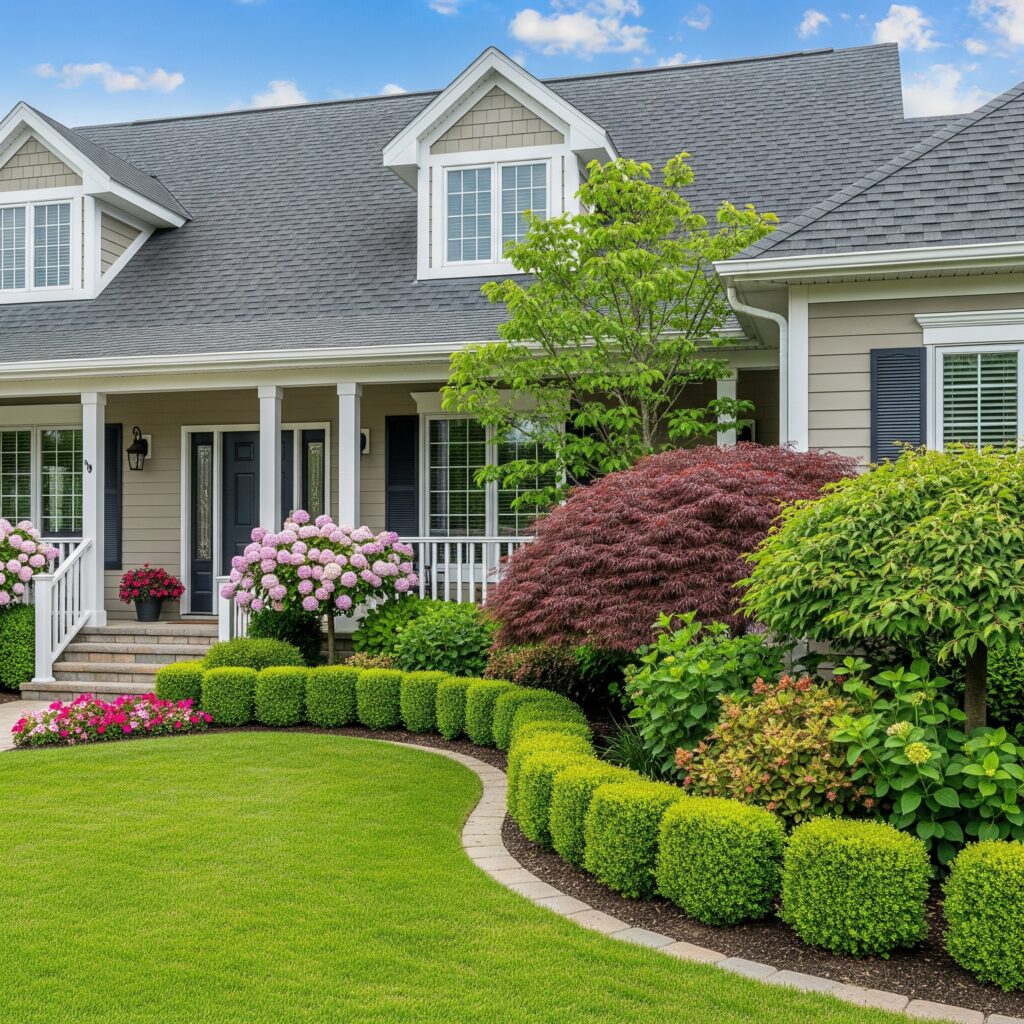
Avoid Costly Mistakes That Put Your Home at Risk
A beautifully landscaped yard adds curb appeal, comfort, and function to your property, but it can also lead to costly foundation problems if not done correctly. Many homeowners make planting mistakes in their yards that lead to poor drainage, soil erosion, and even mold growth. If your landscaping project lacks proper consideration for the foundation of your house, you may be unknowingly setting the stage for expensive repairs down the road.
At Appalachian Foundation Services, we see these issues all too often. The good news? With a clear plan and knowledge of the most common mistakes, you can protect your investment while enjoying a well-maintained yard and functional design that complements your house.
⭐⭐⭐⭐⭐
“Appalachian Foundation Services has been fantastic from start to finish. They have been extremely communicative, the most professional, and display impeccable craftsmanship. Ryan, the salesperson, was very knowledgeable, giving us a very detailed plan and estimate that they kept to. Wyatt, Malachi, and Jimmy kept us up to date and did a great job with the work. And finally, Grace in the office was accommodating, being quick to respond as well as very helpful. We will continue to utilize their services with any future projects necessary.” — Cor Snider
1. Planting Trees and Shrubs Too Close to the Foundation
Large trees, large shrubs, and even foundation plantings can cause severe structural problems if placed too close to your home. Their growth habits and root systems can:
Push against foundation walls.
Draw water out of the surrounding soil, causing shrinkage and foundation settling.
Interfere with drainage solutions, especially during heavy rain.
Plan and know the mature size of any tree or shrub before planting. When you plant trees, position them well away from your foundation, typically as far from the house as their expected height.
Overgrown bushes, overgrown plants, or overgrown shrubs near your home can also create shaded, damp zones that encourage mold, pest infestations, and standing water—a recipe for structural damage.
If you’re already noticing signs of structural shifting or foundation cracks, consider our foundation repair solutions for expert assistance.
2. Poor Drainage and Incorrect Grading
One of the most common landscaping mistakes is failing to address poor drainage or incorrectly grading your outdoor space. Water that drains toward your house instead of away can cause:
Persistent standing water near the foundation.
Soil erosion under the home.
Cracks and uneven settling.
Long-term damage to your foundation plantings and lawn
Installing French drains or other drainage solutions can redirect runoff away from the home. A sloped open lawn space is essential for keeping water moving. In regions with local conditions like a dry climate, adjust your plan to prevent water from pooling during rare storms.
3. Overwatering Garden Beds and Flower Beds
Even with the right plants, excessive water can cause severe damage. Overwatering garden beds, flower beds, or grass can saturate the soil and increase pressure on the foundation. This moisture can result in:
Mold growth in crawl spaces or basements.
Shifting foundations.
Root rot and death in healthy plants.
Check your soil type before setting up a watering system. In clay-heavy soils, water drains slowly, compounding the risk. In sandy soils, water may drain too quickly, leading to dryness. Use a timer and monitor soil moisture carefully to avoid wasting money on water and repairs.
For long-term protection, our foundation waterproofing systems can help block moisture from entering your foundation walls.
4. Using Excessive Mulch Near the House
Mulch helps suppress weeds and retain soil moisture, but piling it too high or too close to your home causes issues:
Traps moisture against the siding or foundation.
Creates ideal conditions for termites, fungi, and mildew.
Encourages shallow root development and poor growth.
Maintain a 2–3 inch mulch layer and keep it at least several inches away from the base of the house. Over time, too much mulch can also prevent decomposition and create a buildup that suffocates your plants.
5. Choosing the Wrong Plants or Putting Them in the Wrong Spot
Plant selection matters. Not all plants are suited for every climate, soil, or space. Choosing plants without considering their growth habits, sunlight needs, or root depth can lead to
Dead plants.
Poor growth.
Invasive species are crowding out native plants.
Overcrowded plants block air flow and trap moisture.
Certain plants can also become overgrown and block vents, damage siding, or interfere with power lines. Avoid planting in the wrong spot, and constantly research your plant varieties, sunlight conditions, and long-term care needs. Be cautious with too many plants in one area, which increases the need for constant upkeep and can impact your foundation plantings.
If you’re dealing with structural instability due to soil shifting or erosion, we also provide foundation containment systems to stabilize compromised structures.
6. Skipping Soil and Drainage Planning
Many homeowners prioritize the appearance of their landscape but overlook the condition of their soil. Failing to test and amend your soil can hurt plant health and drainage efficiency. Key considerations:
The type of soil affects root development, drainage, and nutrient retention.
Poor-quality soil leads to planting mistakes and the death of plants.
Local ecosystems can be disrupted by poor soil management or the introduction of non-native plants.
Test your soil pH and structure. It may need organic matter, sand, compost, or lime, depending on your region. Always group plants with similar needs to save time and reduce water use.
7. Neglecting Front Yard Functionality
The front yard is more than just a place for visual appeal—it should support the health and safety of your home. Avoid planting directly against the house or piling landscaping materials in tight corners.
Create a clean, breathable edge between your flower beds and the house. This helps reduce mold risk, keeps pests at bay, and allows for better visibility around the perimeter.
And if you live in a manufactured home, don’t overlook the importance of structural support. We offer professional mobile home anchoring systems to enhance safety and prevent movement from erosion or drainage-related ground shifts.
⭐⭐⭐⭐⭐
“Appalachian Foundation installed a long drain curtain in my backyard as well as buried my downspouts. Everything from the sales process to scheduling to performing the work was seamless and pain-free. I can’t say nicer things about the sales rep, Ryan, as he listened to my concerns and provided well-thought-out options. Cameron kept me informed about the great start date. The crew that worked the job was great. They kept me informed about schedules, were very polite, and I could tell they were hard workers. Special shout out to Sam for taking all my calls, answering my texts, sending me pics of the job as they worked through it, and answering all my questions. Would recommend Appalachian Foundation!” — Nicholas Farmakis
Don’t Let Landscaping Damage Your Home’s Foundation
What starts as a simple effort to improve your curb appeal can quickly turn into expensive repairs if you overlook key planning details. A beautifully landscaped yard requires more than aesthetics—it must work with your home’s structure and local conditions.
Remember:
- Not all plants are right for every location.
- Functional design starts with proper grading and drainage.
- Improper plant selection, overwatering, or planting too close can lead to serious foundation problems.
Frequently Asked Questions
- How can I create a colorful garden that’s also low maintenance? A colorful garden doesn’t have to mean constant upkeep. Most plants that thrive with layering—planting taller species behind shorter ones—can create a natural look that’s both beautiful and easy to care for. Planning with plant varieties suited to your soil type and climate helps reduce the need for watering and pruning, making your yard more manageable.
- Why do some landscaping projects feel overwhelming? Landscaping can feel overwhelming because there are many factors to consider, like plant selection, soil conditions, and drainage. High-maintenance gardens require more time and resources, so it’s essential to plan and focus on a clear design that strikes a balance between aesthetics and function. Starting with a low-maintenance yard, using the right plants can save you time and money while still delivering a beautiful outdoor space.
- What does layering plants mean, and why is it important? Layering plants involves arranging different plant heights and types in a way that mimics natural ecosystems. This technique helps most plants grow healthier by improving airflow, reducing overcrowding, and creating visual interest. Layering also supports a more natural look and makes maintenance easier by grouping plants with similar water and sunlight needs.
Frequently Asked Questions
At Appalachian Foundation Services, we specialize in identifying and correcting foundation issues caused by landscaping errors. If you’re planning a landscaping upgrade or noticing signs of foundation trouble—like cracks, uneven floors, or water intrusion—contact us today for a professional evaluation.
Your home deserves a strong foundation, and your yard can help support it when you plan with the right plants, proper planning, and intelligent design choices.